

Commercial solar · Ireland & UK
Solar solutionsfor your business.
Install, maintain, and clean. Under one roof · MCS Reg #21611 · SEAI & Safe Electric approved · payback 2–5 yrs
Who we work with
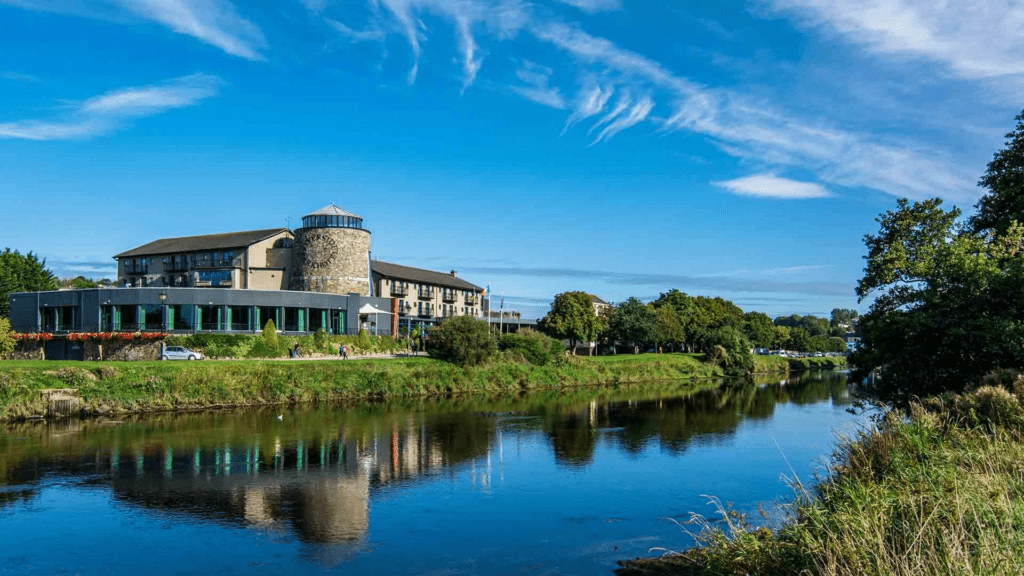
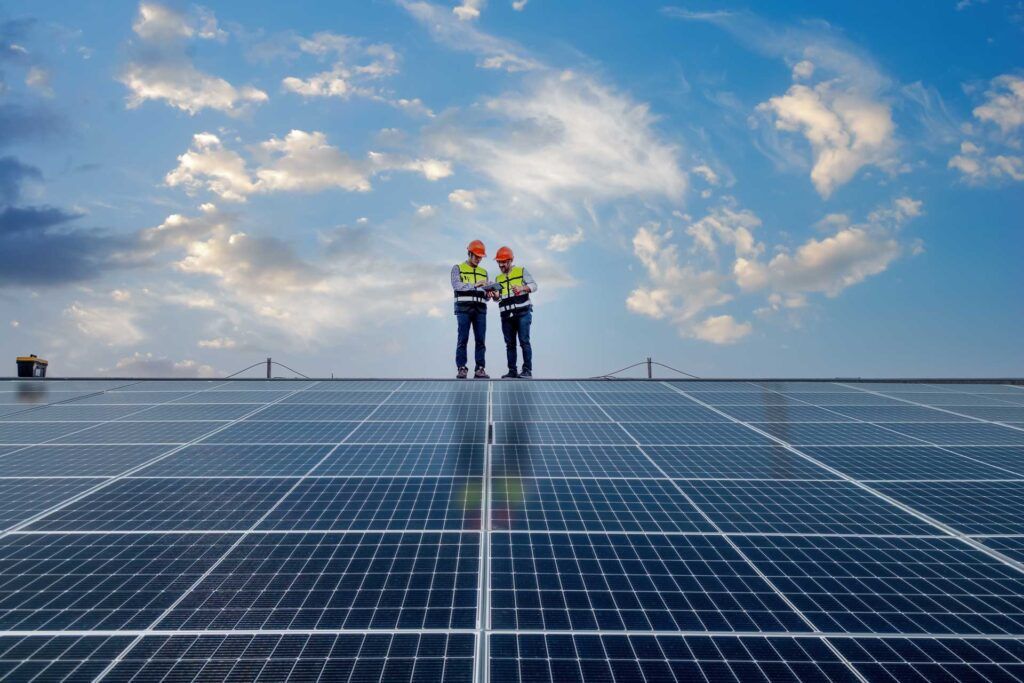
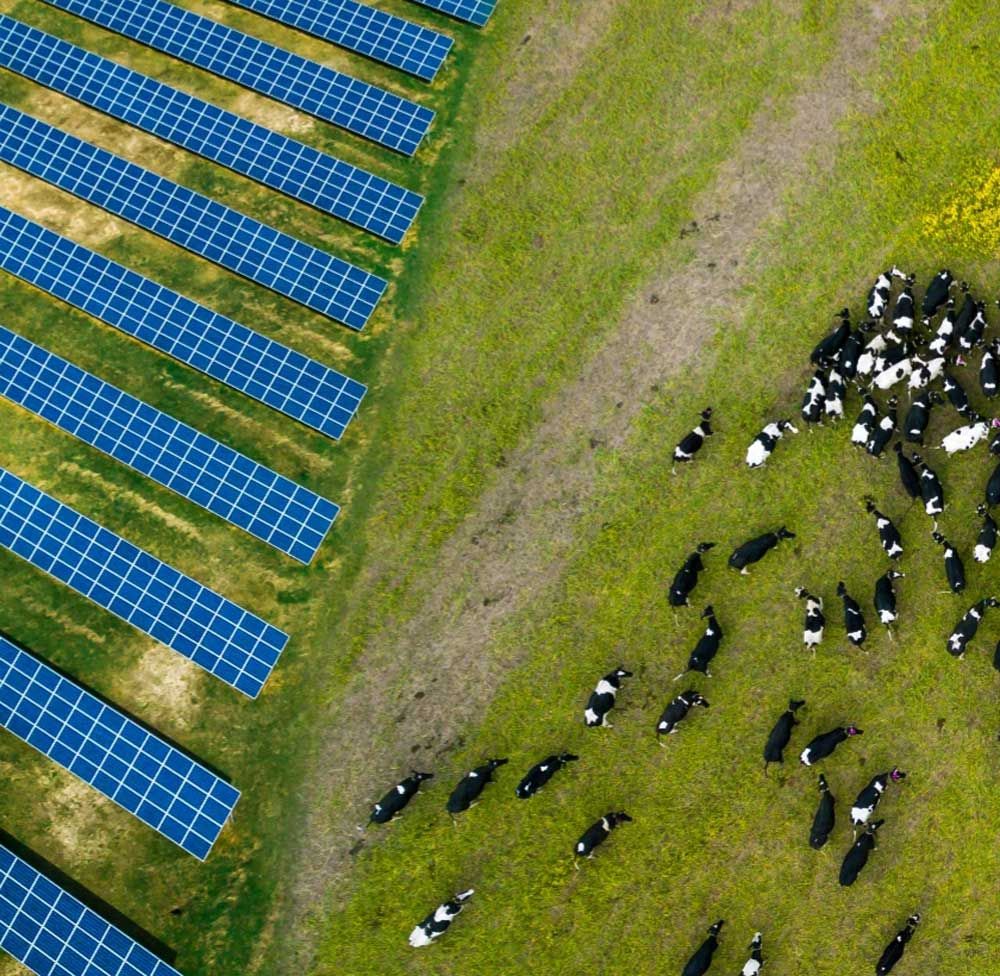
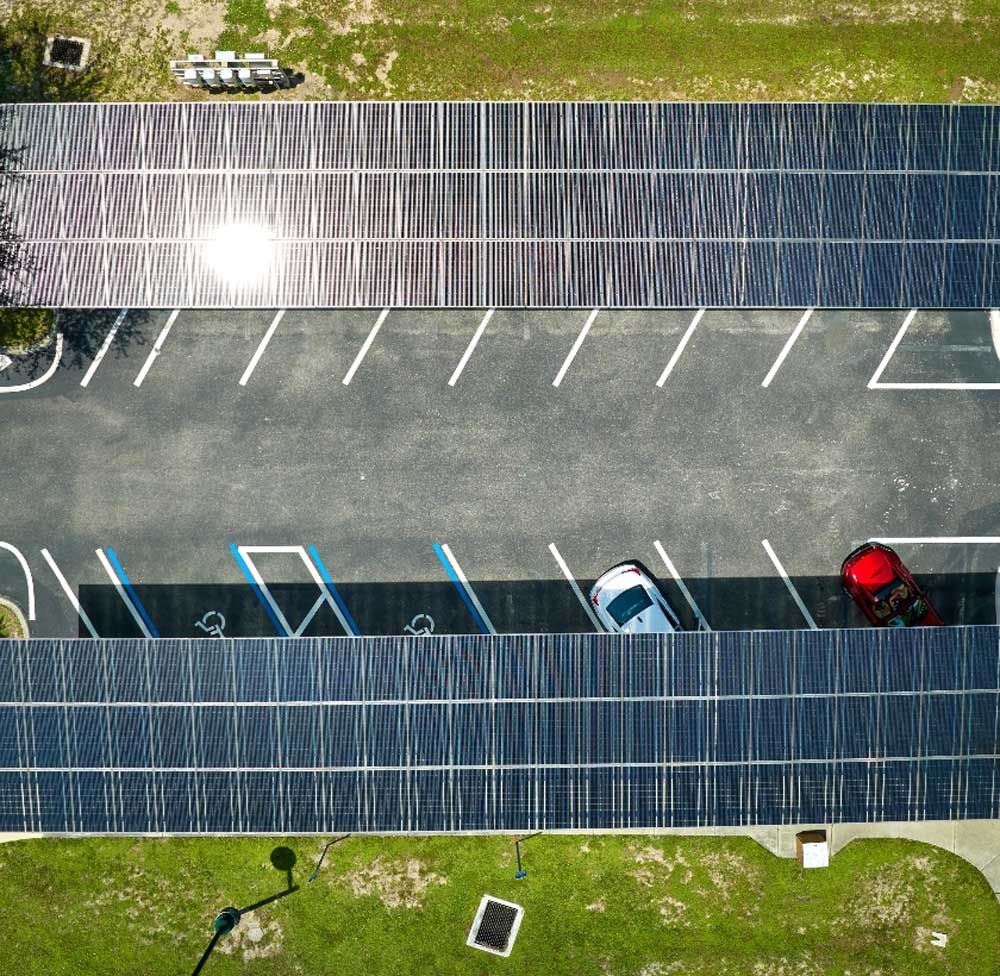
Sector-specific solar, not one-size-fits-all. From a 6-panel install to an 812 kWp array at TINE Ireland: every roof has a different answer.
Why MarVal
MCS-certified, end-to-end, and accountable for every kWp we put on a roof, from a 6-panel install to an 812 kWp manufacturing array.
Small sites to multi-MWp arrays
From O'Reilly's Wholesale (144 panels, 27.6% independence) to TINE Ireland's 812 kWp. Same team, same standard.
MCS Reg #21611 & UKAS
Independently audited. Qualifies your install for UK grants and building regs. Few Irish-based installers can claim both.
Install, maintain & clean
In-house from feasibility through monitoring and PV cleaning. One number for 25 years, never a phone tree.
Grants handled end-to-end
Up to €162,600 for business under the SEAI NDMG. We run the application; most approve same-week.
Zero downtime to operations
ESB-coordinated installs designed around live operations. Panda's 800 kWp went up on a working recycling site with zero disruption.
The case for solar
Two curves crossed. Irish grid electricity has never cost more, and the hardware that offsets it has never cost less.
Irish businesses pay the most for electricity in Europe
In the second half of 2025, Irish non-household electricity averaged €0.2552 per kWh, the highest in the EU and roughly 39% above the EU average. Geography, a dispersed grid and import dependence mean this is structural, not a spike that will pass.
Every kWh you generate on your own roof replaces the most expensive grid electricity in Europe. That's why Irish commercial payback periods now sit at 2–5 years against a 25-year system life.
Source: Eurostat, non-household band, H2 2025 · c/kWh incl. non-recoverable taxes
Meanwhile, the panels got 99% cheaper
Solar modules follow a manufacturing experience curve: with every doubling of global production, prices have fallen by roughly 20%. A watt of module capacity cost $106 in 1976. By 2019 it cost $0.38.
That's the same trajectory DNA sequencing and hard-drive storage followed, and it means a commercial roof today buys generating capacity at the bottom of a 45-year cost curve, while the grid price it offsets keeps climbing.
Stylized representation · data: Our World in Data, 1976–2019 module prices
Your journey
From survey to year twenty-five. The same four-step process whether it's a 30 kWp rooftop or a commercial array. No surprises, no missed deadlines.
Survey
Site visit, roof and land assessment, full energy-use review. We tell you up-front whether solar makes sense for your site.
Design & grant
3D-modelled system sized to your half-hour meter data. We handle the SEAI grant application end-to-end, up to €162,600 for businesses.
Install & commission
ESB-coordinated, no downtime to operations. Witness testing, monitoring portal handover, team training.
Service & clean
Ongoing performance maintenance, specialist PV cleaning (recovers 5 to 10% output), and 25-year support. One number for the entire lifecycle.
Grants & funding
Up to €162,600 in funding,handled end-to-end
SEAI, TAMS 3 and the ACA scheme each have their own forms, deadlines and eligibility rules. We figure out which ones apply, then run the applications for you. Most approve same-week.
SEAI NDMG. Up to €162,600 for businesses, schools, agri and community on systems up to 1 MWp.
TAMS 3 Solar Capital Investment. 60% grant aid for farmers on panels, inverters and batteries, up to €90,000.
Accelerated Capital Allowance. Write off 100% of the qualifying equipment cost against profits in year one.
UK grant routes. MCS Reg #21611 means eligibility for UK schemes, SEG and 0% VAT on domestic installs.
The UK market
The same maths applies across the water, and MCS Reg #21611 is the entry ticket. Few Irish installers can follow their customers into the UK. We can.
UK commercial tariffs run 22–35p/kWh and grid transmission charges are rising steeply, while rooftop solar carries a full business-rates exemption to 2035 and 0% VAT on installs to March 2027. Typical commercial payback: 3–6 years against a 25–30 year system life.
Delivered at scale
Real numbers from real commercial roofs across Ireland and the UK, from a portfolio of 50+ delivered projects.
Indicative · payback depends on energy-use profile, unit price and grant amount · your quote reflects your actual half-hour meter data
Free quote
60 seconds now.Your quote within 24 hours.
Thanks — a commercial advisor will come back to you within 24 hours with an indicative size, grant eligibility and payback range for your site.
See our work
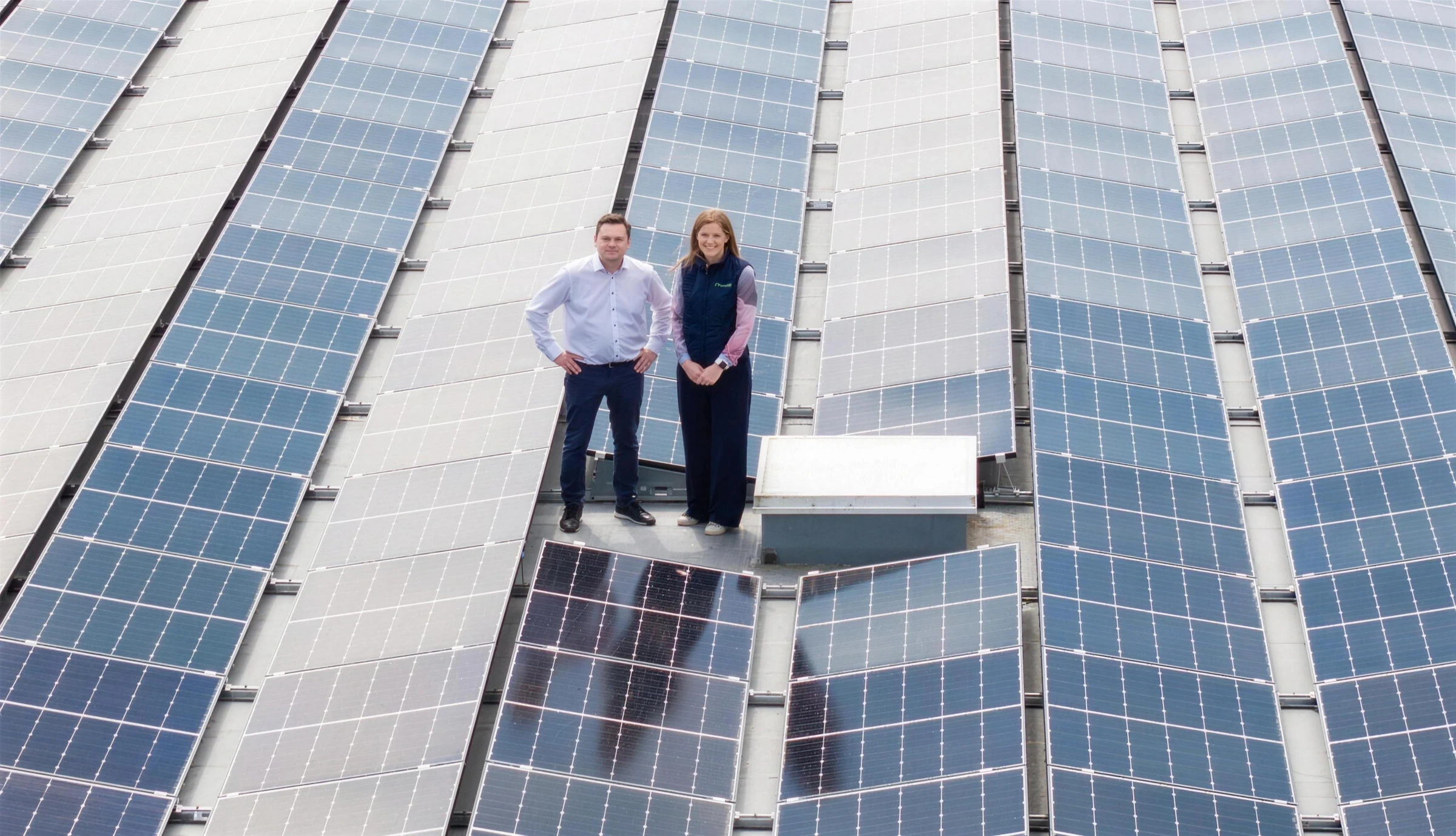
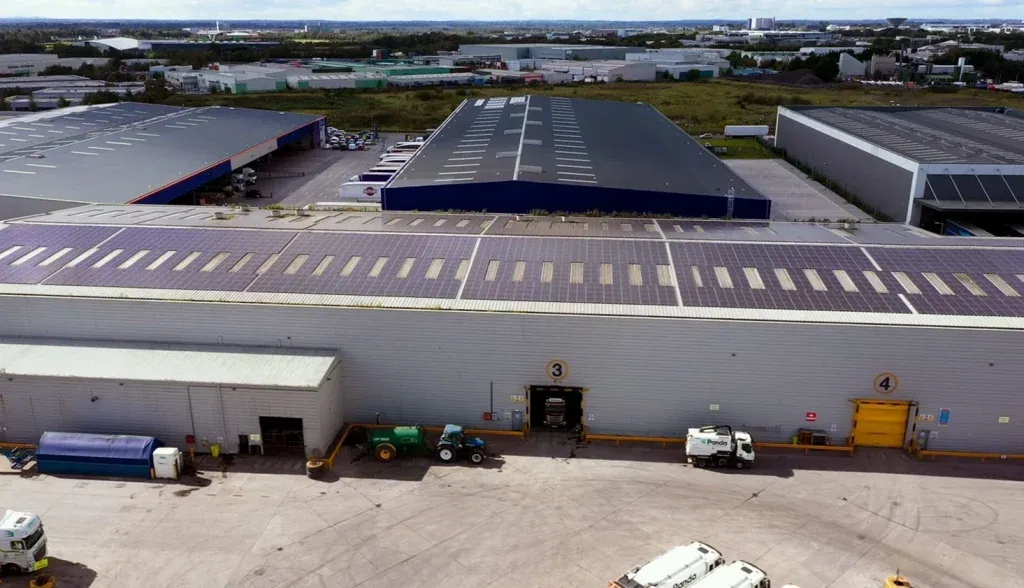
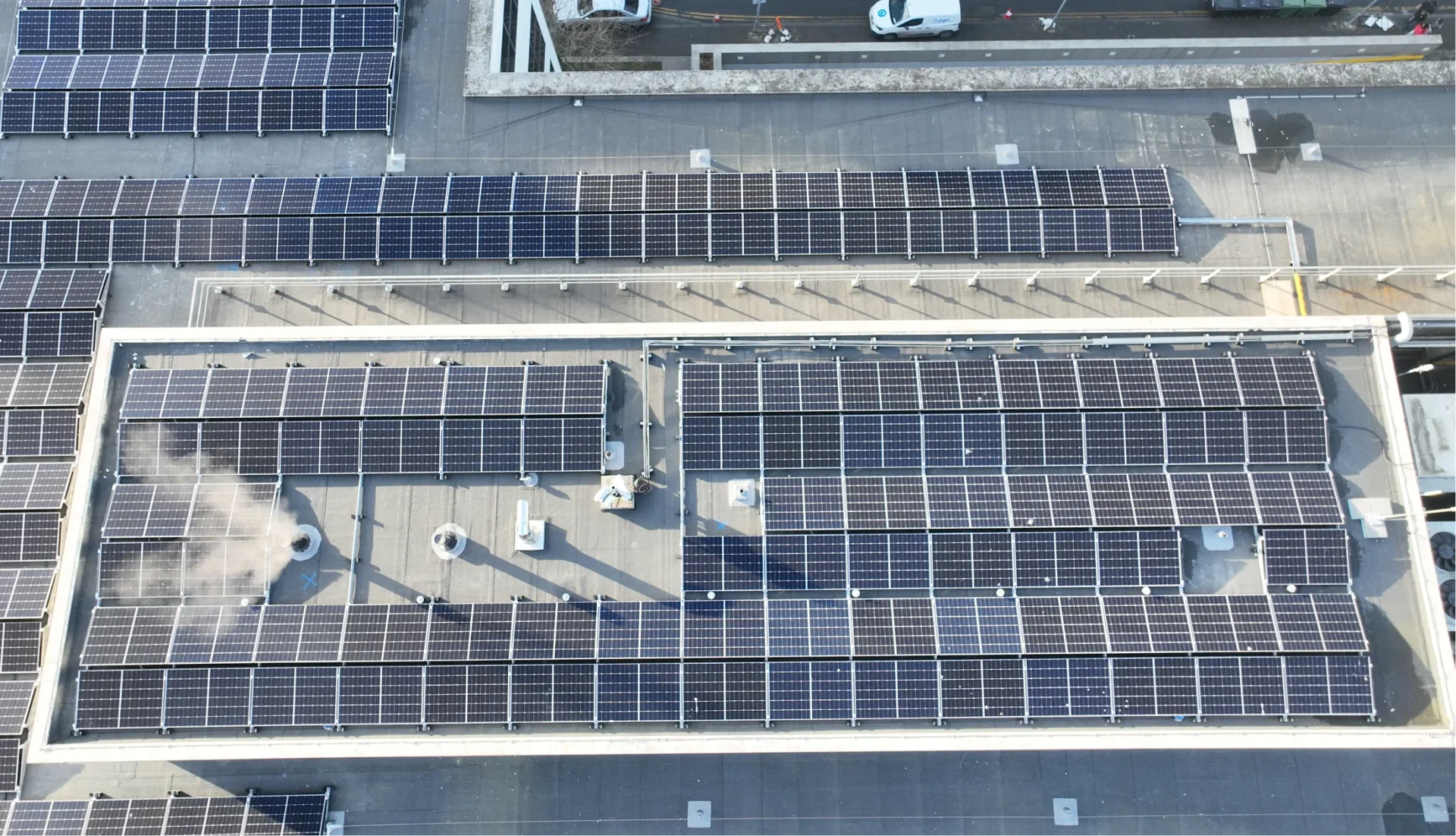
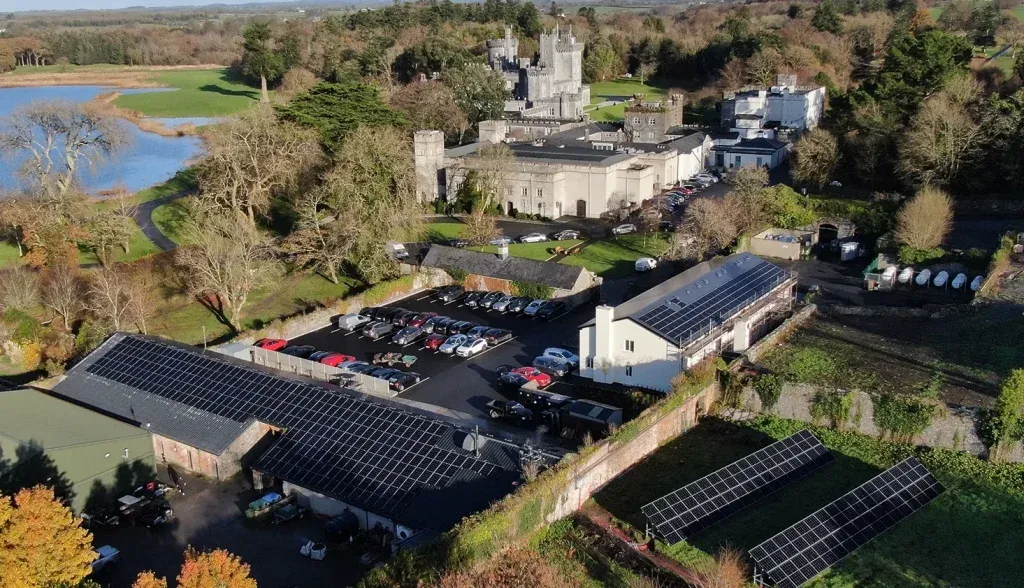
Real installs, on real roofs. From flagship hospitality to large-scale manufacturing across Ireland & the UK.
In their words
Sustainability managers, GMs and facilities leads on working with MarVal.
"A proven track record in delivering commercial-scale energy technology. From planning through construction and operation, the MarVal team were highly organised and efficient."
"An 800 kWp install on a working recycling site is no small feat. MarVal worked around our trucks for the entire install. Zero disruption."
"This collaboration represents our commitment to delivering exceptional hospitality while minimising our impact on the environment. The seamless integration into our operations was outstanding."
"A transformative journey towards sustainability. Our partnership enables guests to enjoy luxurious hospitality knowing their stay is powered by renewable energy."
FAQs
The questions most operators ask before they call. If yours isn't here, the phone number above gets you a real person.
Do we need planning permission for a commercial solar install?
In most cases, no. Planning permission is generally exempt for solar PV installations on commercial rooftops in Ireland, provided the system meets criteria around height and visibility from protected structures. Ground-mounted systems and installations in conservation areas may need approval; we assess this during the survey stage and handle any required submissions.
How long will commercial solar panels last?
Our solar panels carry manufacturer warranties of 25 to 30 years, and most systems maintain strong performance beyond that. Inverters typically need replacement once during the lifetime of the system. We handle the full lifecycle: install, monitoring, maintenance and end-of-life. Your investment is protected for the long term.
What is MCS certification and why does it matter?
MCS (the Microgeneration Certification Scheme) is the UK's quality standard for renewable energy technology and installers. Our certification, Reg #21611, is awarded by Simply Certification (a body accredited by UKAS, the UK national accreditation authority). It signals that our work meets strict design, install and commissioning standards. For UK installs in particular, MCS certification is often required for grant eligibility.
Can MarVal handle UK installations as well as Irish ones?
Yes. We operate across Ireland and the UK. The MCS + UKAS accreditation is specifically what enables us to deliver UK installs that qualify for UK funding schemes and meet UK building regulations. Few Irish-based installers can claim this.
How does the SEAI grant application work?
We handle every step. Grants currently range from €2,400 (6 kWp) to €162,600 (1,000 kWp). The application is submitted through the SEAI portal during the design stage; we coordinate the technical paperwork, eligibility evidence and post-install verification. Approvals typically come within the same week. Our team has handled grants across more than 16 commercial installations.
What's involved in solar PV cleaning, and is it worth it?
Dirt, dust, lichen and bird droppings can cost 5–10% of your system's output over a single year if left unmanaged. Our cleaning service combines manual and robotic methods, IR thermal imaging on request, and optional bird deterrents. For larger commercial arrays, a scheduled annual clean typically pays for itself many times over in recovered yield.
How quickly will we see payback on a commercial install?
Payback periods typically fall between 5 and 7 years for grant-aided commercial systems in Ireland, depending on energy use profile, electricity unit price, and SEAI grant amount. After payback, you continue to generate effectively free electricity for the remaining 20+ years of the system's life.
Do you maintain panels you didn't install?
Yes. We take on third-party arrays for maintenance, performance monitoring, fault diagnosis, and cleaning. Many of our maintenance clients came to us after their original installer went out of business or stopped supporting commercial customers. We'll do an initial system health-check and propose an O&M package that fits your contract terms.
Accreditations


Start here
Your first install startswith a postcode.
info@marvalpower.ie MCS Reg #21611